
What’s the Difference Between a Hot Tub and a Jacuzzi?
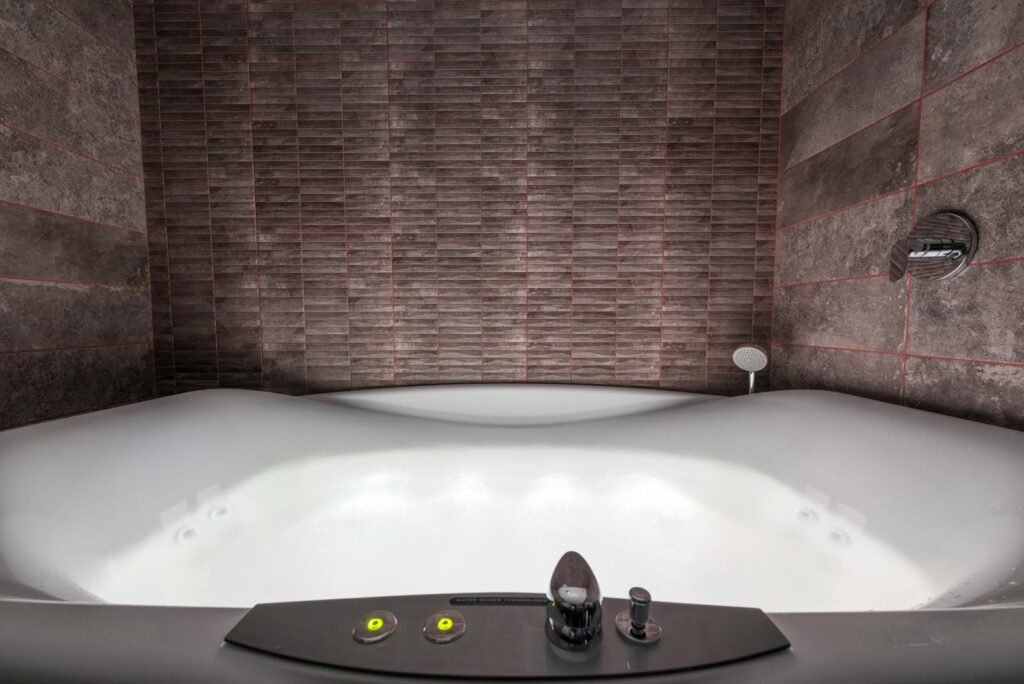
Introduction to Hot Tubs and Jacuzzis

Hot tubs and Jacuzzis are both highly regarded for their ability to provide relaxation and hydrotherapy, making them popular choices for those seeking to unwind. These recreational units are often found in residential backyards, spa facilities, and wellness centers, serving multiple purposes that extend beyond mere relaxation. Their designs and capabilities can vary, but both hot tubs and Jacuzzis deliver a soothing experience, which is often associated with improved well-being and stress relief.
Historically, hot tubs have been used for centuries across various cultures, with their roots tracing back to ancient civilizations where warm water was believed to have therapeutic properties. In modern times, the resurgence of this practice has led to a growing interest in both hot tubs and Jacuzzis, which are now seen as essential features for enhancing one’s lifestyle. Additionally, the benefits of hydrotherapy, including improved circulation and muscle relaxation, contribute to their allure, promoting a holistic approach to health and wellness.
While the terms “hot tub” and “Jacuzzi” are occasionally used interchangeably, they refer to distinct concepts. The term “Jacuzzi” originated from a brand name but has become synonymous with hot tubs in many contexts. Understanding the subtle differences between these two units is essential for consumers who wish to invest in a therapeutic solution that aligns with their specific needs and preferences. Both options offer varied features, designs, and functionalities, thus warranting a deeper investigation into their contrasts and similarities. This exploration will identify what makes each unique while reinforcing their shared purpose: the pursuit of relaxation and rejuvenation.
Defining Hot Tubs
A hot tub is a large tub or small pool designed for soaking, relaxation, and hydrotherapy. Typically filled with hot water, these therapeutic systems are equipped with various jets that provide bubbles and massages, making them a popular choice for enhancing relaxation and well-being. The primary purpose of a hot tub is to offer users a soothing and rejuvenating experience, promoting relaxation after a long day or serving as a social gathering spot for friends and family.
The history of hot tubs can be traced back to ancient civilizations, where communal bathing was an integral part of rituals and social interactions. Initially, these soaking tubs were made from natural materials such as wood or stone. As time progressed, the introduction of modern materials and advanced engineering techniques revolutionized hot tub construction. Today, contemporary hot tubs are commonly manufactured from acrylic, fiberglass, or inflatable materials, offering durability, aesthetic appeal, and versatile installation options.
Hot tubs vary in shape, size, and the number of seats they offer, accommodating anywhere from two to twenty individuals. Many models are also designed with added features such as LED lighting, sound systems, and customizable jet configurations, allowing users to create a personalized experience. Although some hot tubs may be built into decks or patios, they can also be portable, allowing owners to relocate them as needed. Additionally, hot tubs come equipped with temperature controls and filtration systems, ensuring that users can enjoy the benefits of heated water in a clean and safe environment.
In comparison to Jacuzzis, which are a specific brand of hot tub that incorporates innovative jet technology, hot tubs represent a broader category of bathing and relaxation fixtures. Understanding these differences can help consumers make informed decisions about which option best suits their needs and preferences.
Defining Jacuzzis
A Jacuzzi is often colloquially understood as any type of hot tub; however, it is important to note that Jacuzzi is, in fact, a brand name and represents a specific line of products renowned for their distinct features and hydrotherapy capabilities. The name originates from the Jacuzzi brothers—seven Italian immigrant brothers who invented the portable hydrotherapy pump in the late 1940s. Their innovation was designed to assist individuals with physical rehabilitation and therapeutic treatments, leveraging the principles of buoyancy and hydrotherapy.
Jacuzzi’s popularity surged in the 1960s when they began manufacturing hydrotherapy baths, which led to the creation of the first-ever whirlpool baths. These specialized systems are equipped with unique jets specifically designed to create a soothing massage effect, differentiating them from standard hot tubs that may not offer the same level of massage therapy. The innovation did not stop with the jets; Jacuzzis have incorporated advanced technology, such as adjustable temperature control, programmable settings, and enhanced filtration systems, ensuring clean, safe water and a more personalized spa experience.
Furthermore, the name “Jacuzzi” has become synonymous with luxury and high-end relaxation solutions, making it a preferred choice among consumers seeking a premium experience. Although various manufacturers offer hot tubs with different features, Jacuzzis stand out as a brand that focuses on combining technology with wellness. The brand’s ongoing commitment to research and development ensures their products continue to deliver superior hydrotherapy benefits.
In summary, while all Jacuzzis are hot tubs, not all hot tubs qualify as Jacuzzis. The brand’s reputation is built on its innovative technology, therapeutic features, and commitment to enhancing user experience in the realm of relaxation and wellness.
Key Differences in Features
When comparing hot tubs and Jacuzzis, several key features distinguish these two popular options. Though often used interchangeably, they have unique characteristics that may influence a buyer’s decision. One of the primary distinctions lies in their size and design. Hot tubs are generally larger and can accommodate more people, allowing for a more social experience. They come in various shapes and materials, including wood and acrylic, catering to a diverse range of aesthetic preferences. In contrast, Jacuzzis, which is a specific brand within the hot tub category, tend to have a more compact design, focusing on comfort and personal relaxation.
Another significant difference is the jet technology incorporated into each unit. While both hot tubs and Jacuzzis are equipped with hydrotherapy jets, Jacuzzis are renowned for their advanced jet systems specifically engineered for therapeutic benefits. These jets can be strategically positioned to target specific muscle groups, enhancing the relaxation experience. On the other hand, hot tubs may feature varied jet placements but might not emphasize therapeutic qualities to the same extent, primarily focusing on a general massage experience.
Heating systems also vary between the two products. Traditional hot tubs can utilize either electric heaters or wood-fired systems that can provide a more rustic charm. Jacuzzis typically come with built-in electric heaters that ensure consistent water temperature while being energy efficient. This technology allows for quicker heating times and more precise temperature control, appealing to users who prioritize a seamless experience.
While both hot tubs and Jacuzzis serve the purpose of relaxation and social interaction, understanding these essential differences in features can significantly impact the decision-making process for potential buyers.
Cost Considerations
When evaluating the cost differences between hot tubs and Jacuzzis, several factors come into play that can significantly influence the price point. Understanding these elements will aid potential buyers in making informed decisions aligned with their budget.
Firstly, brand reputation plays a pivotal role in distinguishing the prices of hot tubs and Jacuzzis. The term “Jacuzzi” itself is a well-established brand that often commands higher prices compared to other hot tub models. Consumers frequently associate the Jacuzzi brand with superior quality and reliability, which may justify the premium cost. Conversely, a wide variety of hot tub manufacturers exist, offering products across different price ranges, making it essential to compare specifications before making a purchase.
Secondly, the quality of materials used in the construction of hot tubs and Jacuzzis can significantly affect their prices. High-quality materials, such as durable acrylic shells, robust support frames, and advanced pump systems, tend to raise the overall cost. Hot tubs manufactured with innovative technology and features, such as energy-efficient heating systems or user-friendly controls, may also warrant a higher investment. In contrast, those looking for more basic models may find options available at a lower price point, though these may lack certain enhancements that improve user experience.
Furthermore, additional functionalities can impact the total cost. Options such as built-in lighting, aromatherapy jets, and sound systems can elevate the price of both hot tubs and Jacuzzis. Buyers should consider these features based on personal preferences, as not everyone may require the high-end amenities offered by luxury models.
Ultimately, budgeting for a hot tub or Jacuzzi entails assessing not only the initial purchase price but also the ongoing maintenance, electricity bills, and other associated costs. This comprehensive understanding helps ensure that consumers choose a product that meets their financial and functional requirements.
Maintenance and Upkeep
Maintaining a hot tub or Jacuzzi is crucial for ensuring its longevity, hygiene, and overall performance. While both types of therapeutic baths require routine care, there are some distinctions in maintenance practices. Regular cleaning is one of the foremost responsibilities of hot tub and Jacuzzi owners. This typically entails scrubbing the surfaces, filtering the water, and keeping the internal components in optimal condition. While both setups can experience buildup of debris and biofilm, the unique designs of a Jacuzzi often require specific cleaning products that can enhance the efficiency of its jets.
Water treatment is another critical aspect of upkeep. Maintaining balanced water chemistry through regular testing is essential. Hot tubs generally use chlorine or bromine as sanitizers, ensuring the water remains safe for users. Jacuzzis, however, due to their jet mechanisms, may also incorporate a combination of specialized chemicals that help in managing water quality and preventing scale or corrosion on the jets. Knowing which chemicals work best for each system is essential and can prevent potential issues in the long run.
Furthermore, the frequency of general upkeep can differ significantly. Hot tubs may require less intricate maintenance than Jacuzzis, partly because hot tubs typically have simpler filtration systems. In contrast, Jacuzzis, with their more complex jets and advanced features, may necessitate more frequent checks to ensure that all components are functioning well. Additionally, owners should consider seasonal maintenance, such as winterization for outdoor models, which can affect both types of units but might need different approaches based on their specific designs.
In conclusion, while hot tubs and Jacuzzis share common maintenance responsibilities, each has unique requirements that necessitate tailored care. Paying attention to cleaning, water treatment, and maintenance frequency will help ensure that both systems deliver the maximum benefits over their lifespan.
Health and Wellness Benefits
Hot tubs and Jacuzzis are often touted for their numerous health and wellness benefits, primarily attributed to their hydrotherapy capabilities. Hydrotherapy, which involves the controlled use of water for therapeutic purposes, has been shown to alleviate a variety of physical and mental health issues. Both hot tubs and Jacuzzis can significantly promote relaxation, which is essential in managing stress levels. Exposing oneself to warm water can lead to a state of tranquility, allowing users to unwind after a long day, thereby supporting overall mental well-being.
One of the key benefits of utilizing a hot tub or Jacuzzi lies in muscle tension management. The combination of buoyancy and warm water enables muscles to relax, which can be particularly beneficial for individuals suffering from chronic pain or soreness. By soaking in a hot tub, the heat aids in increasing blood circulation, ultimately promoting healing. This therapeutic aspect can also reduce stiffness in joints, making hot tubs an excellent option for individuals with arthritis or other similar conditions.
Stress relief is another profound advantage offered by both hot tubs and Jacuzzis. The soothing effects of warm water not only relax the body but also elevate mood by increasing the production of endorphins, the body’s natural “feel-good” hormones. This physiological response can help decrease anxiety levels and improve overall mental health, making both options valuable in today’s fast-paced environment. Additionally, the social aspect of enjoying a hot tub or Jacuzzi with family or friends can further enhance emotional well-being, fostering connections and improving mood.
In summary, both hot tubs and Jacuzzis offer a range of health benefits through hydrotherapy, relaxation, stress relief, and effective muscle tension management, thereby contributing to one’s overall wellness. Their unique features cater to the needs of various individuals looking to enhance their physical and mental health effectively.
Popular Settings and Uses
Hot tubs and Jacuzzis are commonly found in various environments that cater to relaxation and leisure. Residential backyards are among the most popular settings for both; families and individuals utilize these amenities to create a personal oasis where they can unwind. The presence of a hot tub or Jacuzzi can significantly enhance outdoor living spaces, offering a retreat from the hustle of daily life. These installations often become focal points for gatherings, allowing friends and family to bond over warm water and soothing jets.
In addition to private residences, spas frequently incorporate both hot tubs and Jacuzzis as part of their wellness offerings. Clients often enjoy soaking in these therapeutic settings as they provide numerous health benefits, such as alleviating stress, soothing muscle pain, and improving circulation. The calming environment of a spa, combined with the comfort of warm water, creates an ideal setting for relaxation and rejuvenation.
Resorts and hotels also recognize the appeal of hot tubs and Jacuzzis, frequently including them in their amenities to enhance guest experiences. These facilities provide an opportunity for patrons to unwind after a day of activities while enjoying beautiful surroundings. Many resorts feature hot tubs with stunning views of nature, further elevating the relaxation experience. In these settings, the use of Jacuzzis can promote social interactions among guests, as they often serve as a gathering area where people can share stories and form connections.
Moreover, hot tubs and Jacuzzis can be utilized for therapeutic purposes, such as hydrotherapy or physical rehabilitation. Individuals suffering from chronic pain, arthritis, or recovering from injuries can benefit from the warm, buoyant water, as it helps relieve tension and aids in healing. Overall, both hot tubs and Jacuzzis serve a variety of purposes that cater to relaxation, socialization, and therapeutic needs across different settings.
Conclusion: Choosing Between a Hot Tub and a Jacuzzi
In examining the distinctions between a hot tub and a Jacuzzi, it becomes evident that while all Jacuzzis are hot tubs, not all hot tubs are Jacuzzis. Understanding the specific features, benefits, and costs associated with each can greatly assist potential buyers in making an informed decision. Hot tubs tend to offer versatility in terms of size, shape, and budget, accommodating a wider range of personal preferences and settings. On the other hand, Jacuzzis are synonymous with reliable quality and innovative hydrotherapy features, appealing to those who prioritize therapeutic benefits.
When deciding between a hot tub and a Jacuzzi, individuals should first assess their usage intentions. Is the primary goal relaxation, social gatherings, or therapy? Recognizing the intended purpose can narrow down the options. Moreover, considering the space available for installation can further influence the decision; some may find that a compact hot tub fits better in a small outdoor area, while others may have enough room for a luxurious Jacuzzi setup.
Budget is another significant factor to take into account. While Jacuzzis often come at a premium due to their brand recognition and advanced technology, many high-quality hot tubs are available at varying price points. Evaluating ongoing maintenance costs is just as crucial; some models may require more upkeep than others, ultimately impacting overall expenses.
Ultimately, whether one opts for a hot tub or a Jacuzzi, it is essential to weigh personal preferences, the primary purposes for installation, available space, and financial considerations. Taking the time to inform oneself allows for a well-rounded choice, resulting in a satisfying addition to any home or backyard setting.