
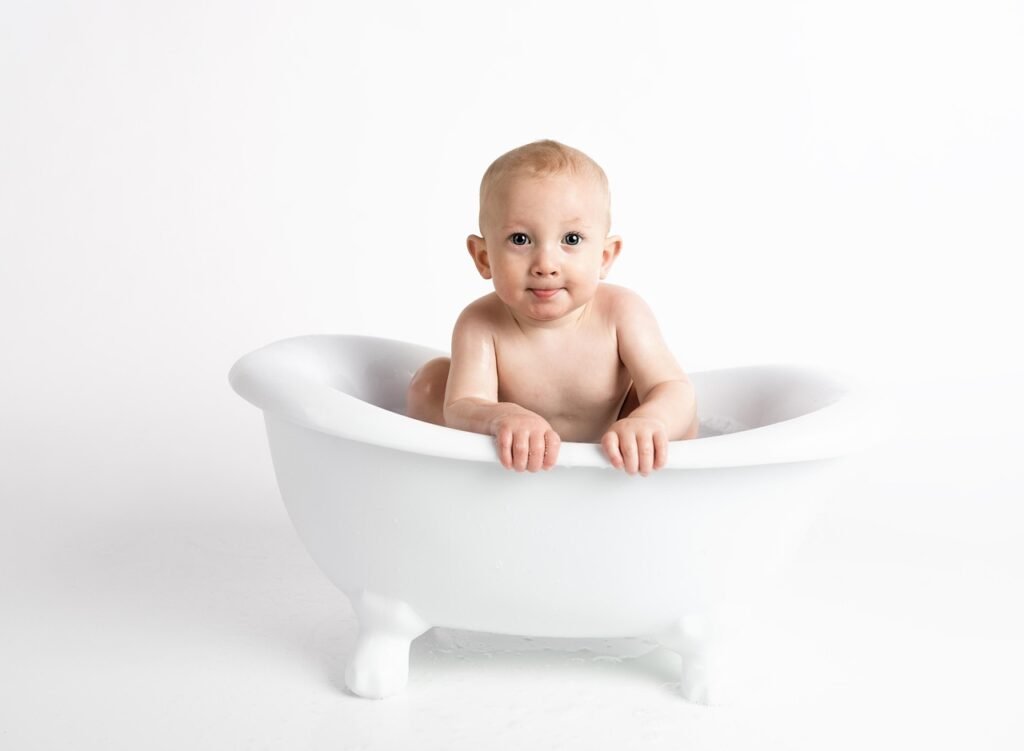
Introduction to Hot Tubs and Jacuzzis

Hot tubs and Jacuzzis are popular relaxation facilities often found in private homes, spas, and hotels. Designed to provide comfort and therapeutic benefits, these water-filled basins are typically heated and equipped with jets to create a soothing experience. Hot tubs can accommodate multiple users, making them desirable spaces for social gatherings and recreational activities, particularly in family-friendly environments.
The mesmerizing allure of hot tubs is rooted in their ability to foster relaxation and leisure. Many families enjoy spending time together in these recreational amenities, creating memorable experiences that emphasize bonding and unwinding. The warm water, bubbling jets, and inviting atmosphere serve as a perfect backdrop for relaxation after a long day. However, while the appeal of hot tubs is clear, it is essential to understand the specific requirements and safety considerations when it comes to their use, especially for children.
Understanding how hot tubs and Jacuzzis function and what they offer is vital for ensuring optimal safety measures are in place. These amenities can be more than just relaxing; they may also pose potential risks, particularly for younger users. Therefore, health guides and safety regulations apply uniquely to children, necessitating an informed approach to their enjoyment of these facilities. As we delve further into the subject, the implications of hot tub use by children will be explored, focusing on the health measures and precautions that should be taken to ensure a safe and enjoyable experience for all family members.
Health Risks for Children in Hot Tubs
Hot tubs and Jacuzzis can pose several health risks to children, primarily due to their developing bodies and physiological differences from adults. One significant concern is overheating, which can occur when children are exposed to elevated temperatures in water. The American Academy of Pediatrics recommends that children should not be in water over 100°F (approximately 37.8°C) due to their lower tolerance for heat. Prolonged exposure to high temperatures can lead to hyperthermia, a condition marked by dangerous overheating that can result in nausea, dizziness, and in severe cases, heat stroke.
Additionally, dehydration is another health risk associated with hot tub use. Children are more susceptible to losing fluids quickly, and hot water compounds the risk, as it can lead to increased sweating. Symptoms of dehydration, such as dry mouth, fatigue, and irritability, can develop rapidly, requiring constant monitoring by caregivers to ensure children remain hydrated. It is crucial for parents to encourage fluid intake before and after using hot tubs to mitigate this risk.
Hot tubs can also be breeding grounds for waterborne illnesses due to improper maintenance or hygiene practices. Young children are particularly vulnerable to these infections, which can include gastrointestinal illnesses and ear infections. Parents should prioritize keeping the hot tub clean and well-maintained, ensuring that disinfectant levels are appropriate and that water is changed regularly to minimize the risk of infections. Intentional vigilance regarding personal hygiene, such as showering prior to entering the hot tub, is essential in preventing the spread of pathogens.
In light of these concerns, it is essential for caregivers to remain informed about safe practices and to consult health professionals regarding safe temperature limits and duration of exposure for children in hot tubs. Exceptional precautions must be exercised to ensure a safe experience for children in these water settings.
Safety Guidelines for Children in Hot Tubs
When considering the use of hot tubs or Jacuzzis for children, adhering to specific safety guidelines is imperative to ensure their well-being. First and foremost, it is recommended that children under the age of five should avoid using hot tubs altogether. For children aged six to twelve, parents should impose strict supervision and limit their time within the heated water to no more than 10 to 15 minutes at a time. Children above the age of twelve may use hot tubs, but it is essential to monitor their activities closely.
Temperature settings are a crucial factor in the safety of children in hot tubs. The water temperature should ideally be maintained at or below 100°F (37.8°C). Higher temperatures can potentially lead to overheating, dehydration, and other serious health issues among younger individuals. Regularly checking the temperature with a reliable thermometer can help parents manage this aspect effectively.
Additionally, ensuring a safe environment around the hot tub is vital. Parents should prepare the surrounding area by eliminating any potential hazards such as wet surfaces that can lead to slips and falls. Having designated non-slip mats placed strategically around the hot tub can further enhance safety. Cleanliness is another critical factor; hot tubs should be regularly maintained and disinfected to prevent the presence of harmful bacteria that may adversely affect children’s health.
Reinforcing water safety protocols is also essential. Parents should teach children about the importance of safe behavior, such as not running around the hot tub, not engaging in rough play, and being aware of their limits while in the water. By fostering a comprehensive understanding of these safety guidelines, parents can significantly reduce risks and create a more enjoyable experience in hot tubs for their children.
Alternatives to Hot Tubs for Families
While hot tubs and Jacuzzis may offer relaxation and therapeutic benefits, there are several alternative options that families can explore, particularly for the sake of children’s safety and enjoyment. One of the most popular alternatives is supervised shallow baths. These baths can provide a soothing environment with lower temperatures, allowing children to enjoy water play under adult supervision, ensuring their safety while maximizing fun.
Furthermore, cooling off in swimming pools can be an excellent way for families to bond while enjoying the water. Swimming pools offer a more versatile experience, as they can accommodate various activities from swimming, playing games, to simply lounging on the poolside. It is also important to monitor the water temperature to create a comfortable environment for children, especially during warmer months. This way, families can relish time together and engage in physical activity, which is beneficial for overall health.
Another splendid alternative is family-friendly spouting fountains. These fountains are designed to be interactive, allowing children to engage in playful water activities while remaining safely away from deeper water. Fountains can create an inviting atmosphere for kids to splash around and explore with minimal risk, promoting laughter and enjoyment among family members. They are often found in parks or may be installed in residential backyards, including interactive features for children of all ages.
In addition to these alternatives, families might also consider arranging water playdates with fellow children to enrich their experience. This social aspect not only enhances enjoyment but also fosters friendships and shared moments. By choosing these alternatives to hot tubs, families can create memorable experiences while ensuring that children remain safe and engaged in active play.